
by Olivia Koupaki and Manfreddy Binyet, WANIDA coordinators
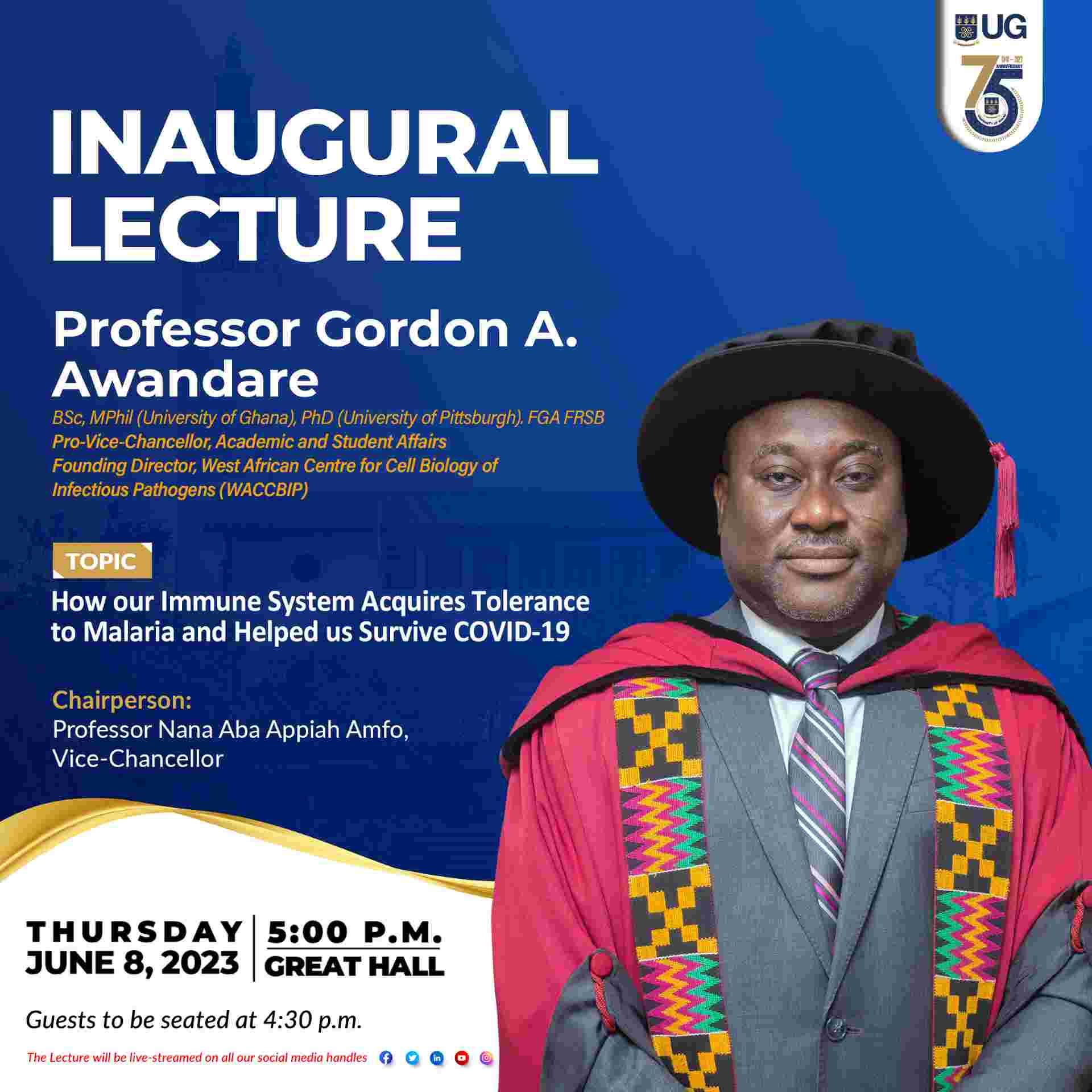
Professor Gordon Awandare gave his inaugural lecture "How our Immune System Acquired Tolerance to Malaria and Helped us Survive COVID-19" at the Great Hall, University of Ghana on8th June 2023. He spoke about how the COVID-19 pandemic unfolded in Ghana and West Africa as described by African scientists. Prof Awandare and his team described how the immune system acquired tolerance to malaria in Africa, helped Africans to survive COVID-19, shedding light as to how Africa responded to COVID-19.
Several immunology studies done on the immunity in zones of high malaria infections showed that there is a high proportion of individuals who have acquired a tolerance to malaria parasites. In such individuals, despite a high parasite level in their blood, innate immune responses are low as measured by levels of pro-inflammatory cytokines; these people do not look sick, they have asymptomatic malaria infection.
Seroprevalence studies led by Prof Awandare showed that a large proportion of the population in Ghana, Nigeria and Burkina Faso had antibodies against SARS-CoV-2 but no record of diagnosis, disease, COVID-19 related symptoms or knowledge of COVID-19 infection; they had been asymptomatically infected. These results led African scientists to question the role of the immune response in COVID-19 disease.
Key to understanding how cell reprogramming affected Africans' response to COVID-19 is the study done by a WANIDA scholar, Ms Kesego Tapela, who confirmed that in most asymptomatic COVID-19 cases, there was no evidence of cytokine storm (very low or undetectable cytokine production upon infection). The cytokine storm is the innate immune response mostly associated with COVID-19 related symptoms and deaths. Upon investigation, asymptomatic patients exhibited evidence of high malaria exposure compared to COVID-19 symptomatic individuals.
Further strengthening the hypothesis that malaria exposure had a mitigating impact on COVID-19 exposure. Prof Awandare coined this as the "Awandare hypothesis" describing how Africans succeeded in immunologically responding to COVID-19. Essentially, the innate immune system "ignored" the virus for the vast majority of the population.
This outcome is a result of several years of research, and demonstrates that "African Science has a heartbeat": African scientists can lead research and generate great outputs for the continent. During his speech, Prof Awandare stressed that the great progress made was driven by the World Bank implementing the African Centres of Excellence program- with support from African Governments. Other partners subsequently provided resources and networks such as WANIDA have accelerated capacity building. To maintain the African Science heartbeat, a lot still needs to be done: provide good career support in leadership, mentorship and training in the latest infrastructures. Professor Gordon Awandare concluded his inaugural lecture by appealing to stakeholders on the continent to invest in research funding to attract Africans researchers in the diaspora back to Africa.
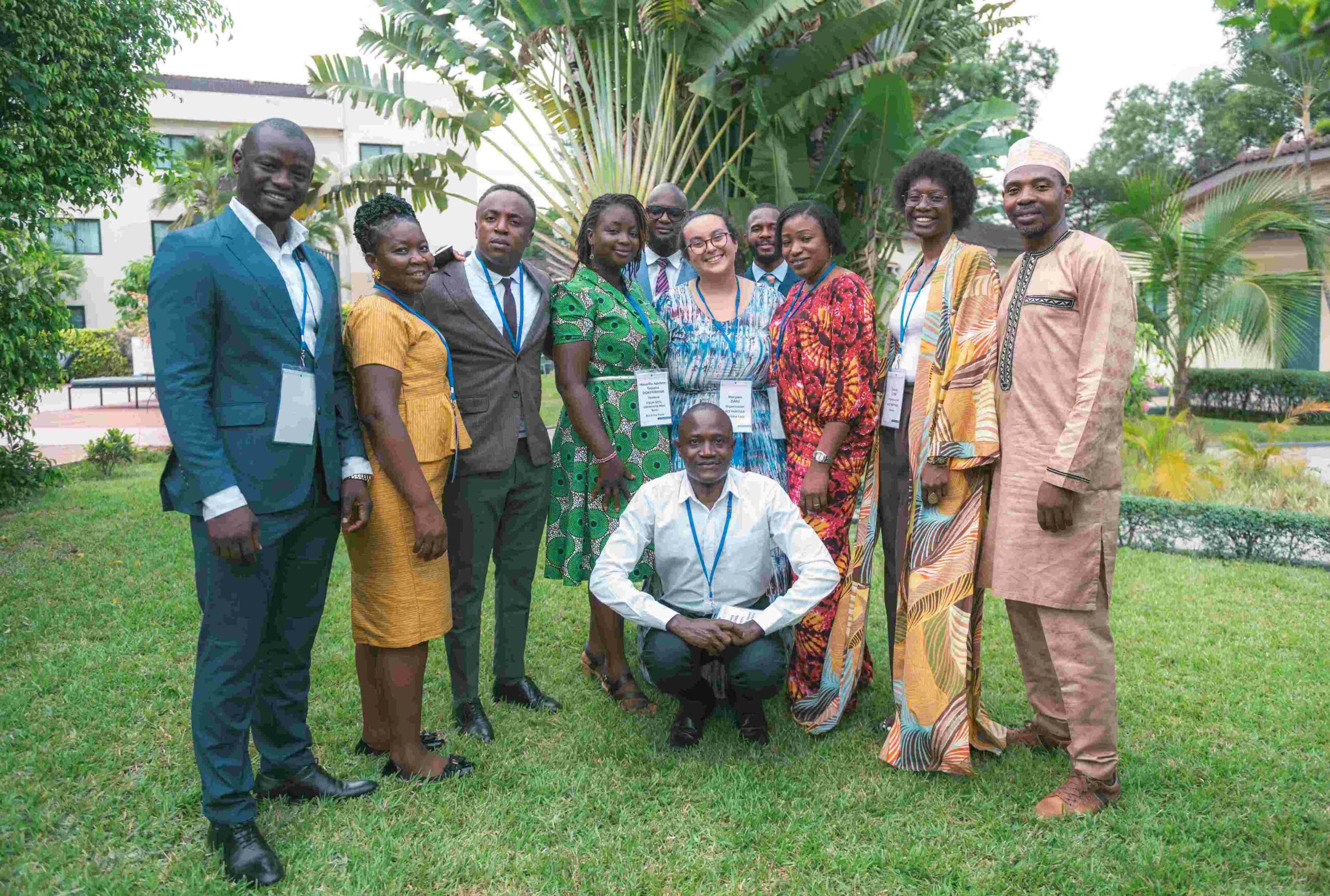
Students take part in the "3 minute thesis" challenge
The Wanida Research Network International Symposium on Infectious Diseases, held in Accra from March 8 to 10, 2023, was a great opportunity for WANIDA student volunteers to take part in an exercise to popularize and synthesize their research topic.
Building students' skills: a key challenge for ACE Partner
A researcher's range of skills is very broad, from writing scientific articles to fund-raising. ACE Partner has deployed a solid training strategy to enable members of the various networks to equip themselves to meet the many demands of this curriculum.
To make the most of their work, researchers have many opportunities to present their results, at conferences or informal gatherings. With this in mind, the WANIDA network has organized a series of webinars to provide the keys to structuring a scientific presentation and the art of public speaking.
Discover the ACE Partner training catalogs:
https://drive.google.com/file/d/1TLiNUdGAHFHIk_WG_pHqpi2P5_L2u-rA/view
https://drive.google.com/file/d/1YP1S31HJJAyV0vN3t5TdYJ_UJrJYs1AG/view
Personalized coaching and a competition in front of a packed room of international experts
19 WANIDA scholarship students benefited from customized coaching in English and French to strengthen their skills and prepare for the Ma Thèse en 3 minutes / 3 minute thesis Challenge.
- Structure your scientific presentation.
- Public speaking.
The course, orchestrated by Meryam Ziani, an expert in the popularization of science, also involved a number of speakers:
- Eldaa Koama, public speaking expert and CEO of Improv'you.
- Ahouefa Reine Katte, civil engineering specialist and winner of the Ma thèse en 180 secondes competition in Kenya in 2022.
- Daouda Guebre, researcher and professor of agropedology at the University of Ziniaré (Burkina Faso) and winner of the Ma thèse en 180 secondes competition organized by the 2IE center of excellence.
Congratulations to the 9 finalists and 4 winners!
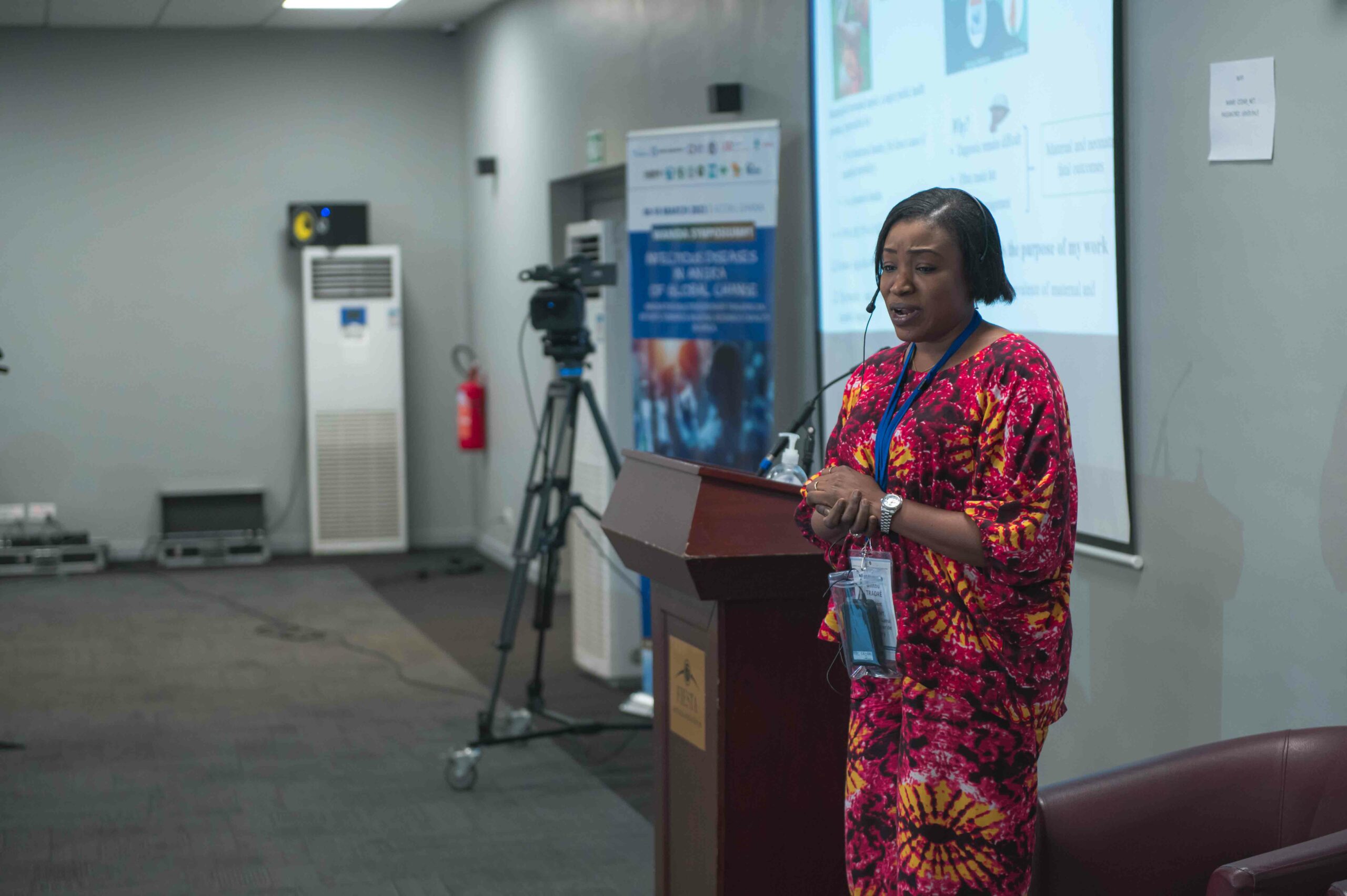
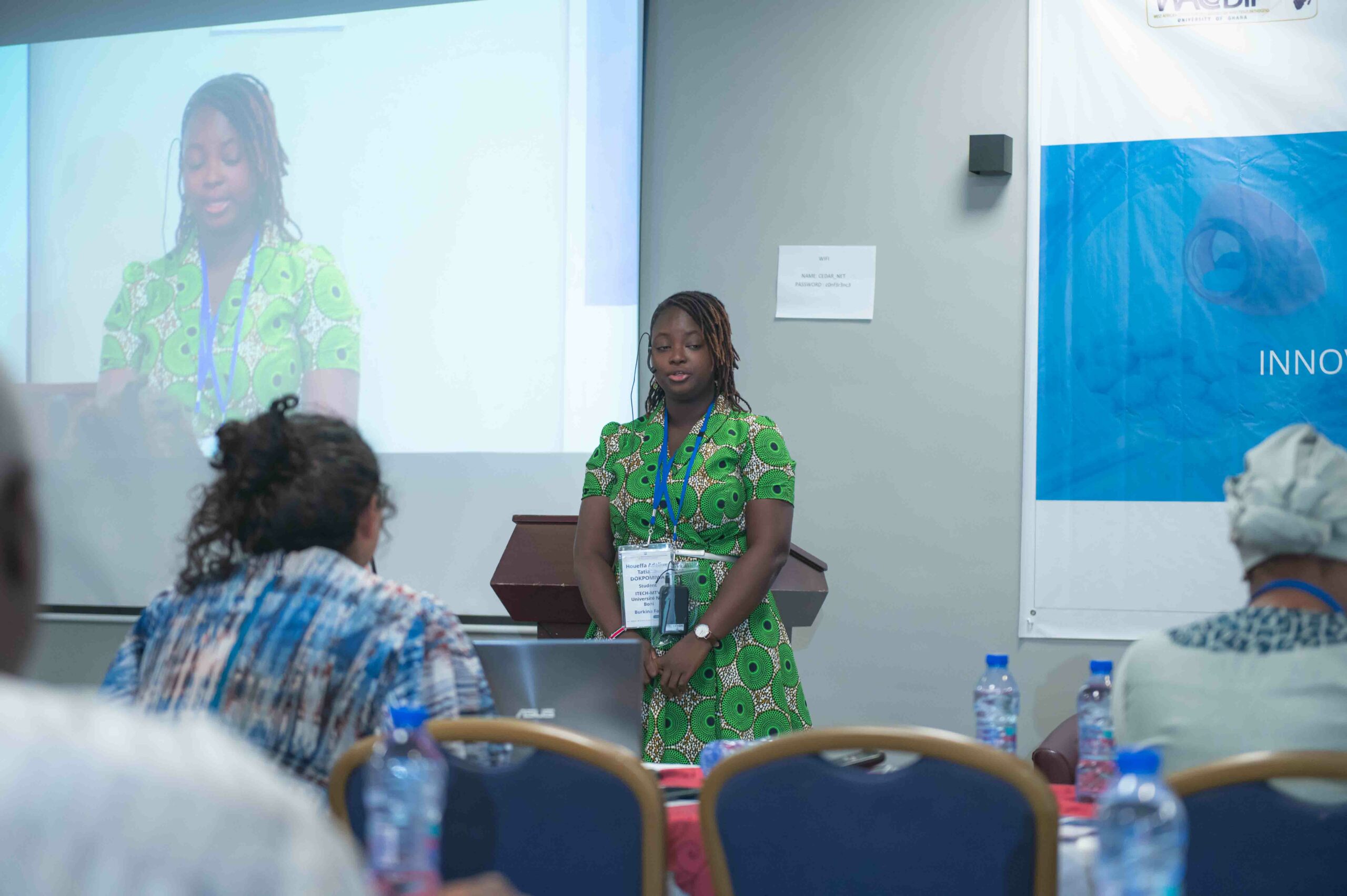
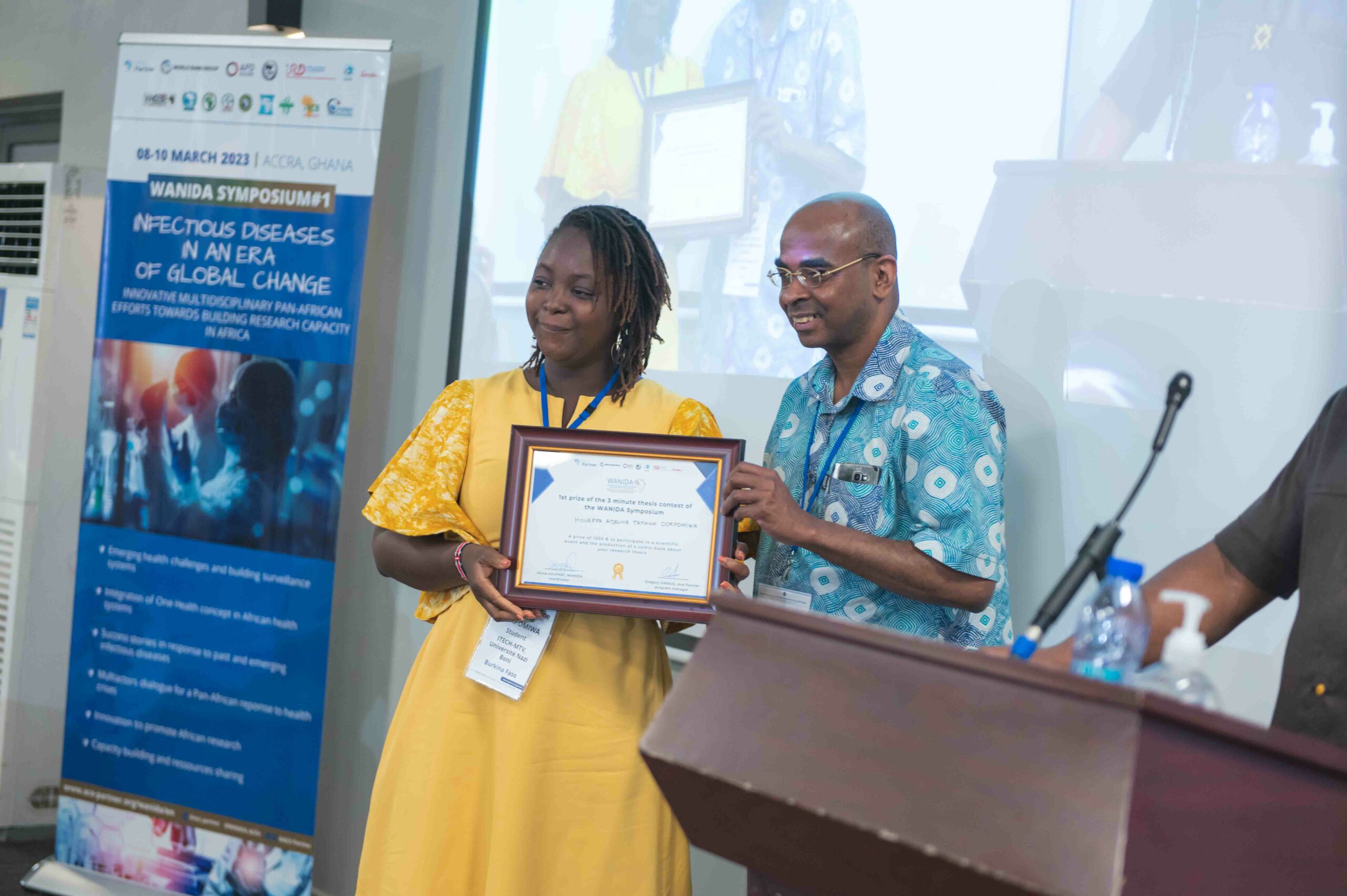
The final of the "3 minute thesis" challenge took place on March 9 in Accra during the WANIDA Symposium, and 9 students had the chance to try their hand at this hectic exercise. The effects of water pollution on health, malaria, pregnancy-related risks, and more. The topics were diverse, and the students rose to the challenge with flying colors! In view of their performance, the 2 prizes that were originally to be awarded by the jury turned into 4! The jury praised the quality of the presentations and stressed the difficulty of choosing the winners.
- 1st prize awarded to DOKPOMIWA Houeffa Adeline Tatiana
1500 for participation in a scientific event and the production of a comic strip to promote his or her research topic. - 2nd prize ex-aequo awarded to TRAORE Bintou Fatoumata
1000 € to participate in a scientific event - 2nd prize ex-aequo awarded to TOURE Aly Badara
1000 € to participate in a scientific event - 3rd prize awarded to CAMPBELL Julian Sydney Olufemi
500 to take part in a scientific event.




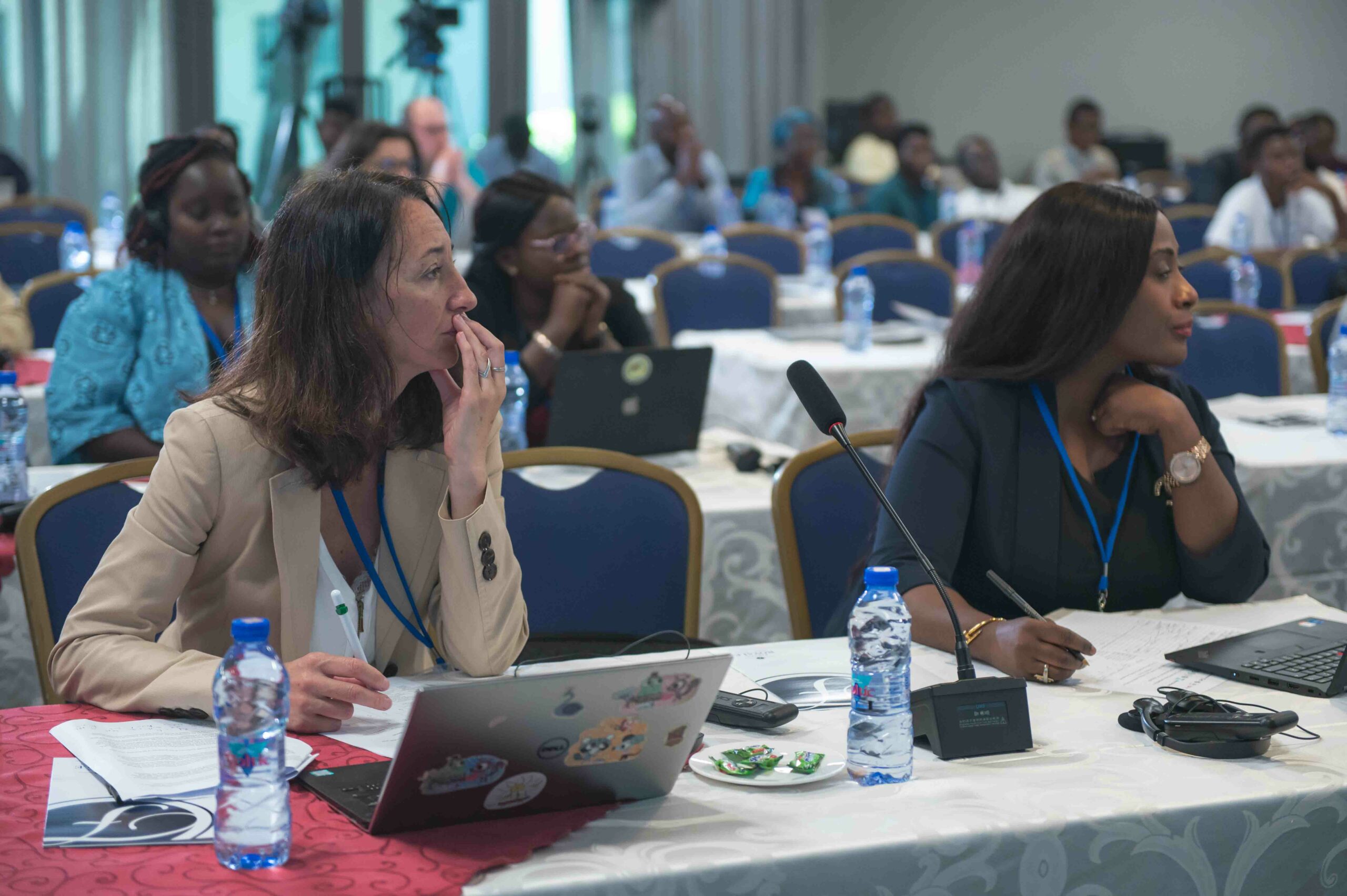


Discover the ACE Partner training catalogs:
https://drive.google.com/file/d/1TLiNUdGAHFHIk_WG_pHqpi2P5_L2u-rA/view
https://drive.google.com/file/d/1YP1S31HJJAyV0vN3t5TdYJ_UJrJYs1AG/view
The WANIDA research network of excellence organized its first Hybrid Symposium from March 8 to 10, 2023 in Accra, Ghana, on the theme: "INFECTIOUS DISEASES IN THE ERA OF GLOBAL CHANGE: INNOVATIVE MULTIDISCIPLINARY PANAFRICAN EFFORTS TO BUILD CAPACITY IN AFRICA".
A very positive outcome for this Network Symposium, which brought together nearly 300 people in person and over 200 online each day! A first for the network, which succeeded in mobilizing international players representing 152 institutions across 31 countries! Thank you for your participation!
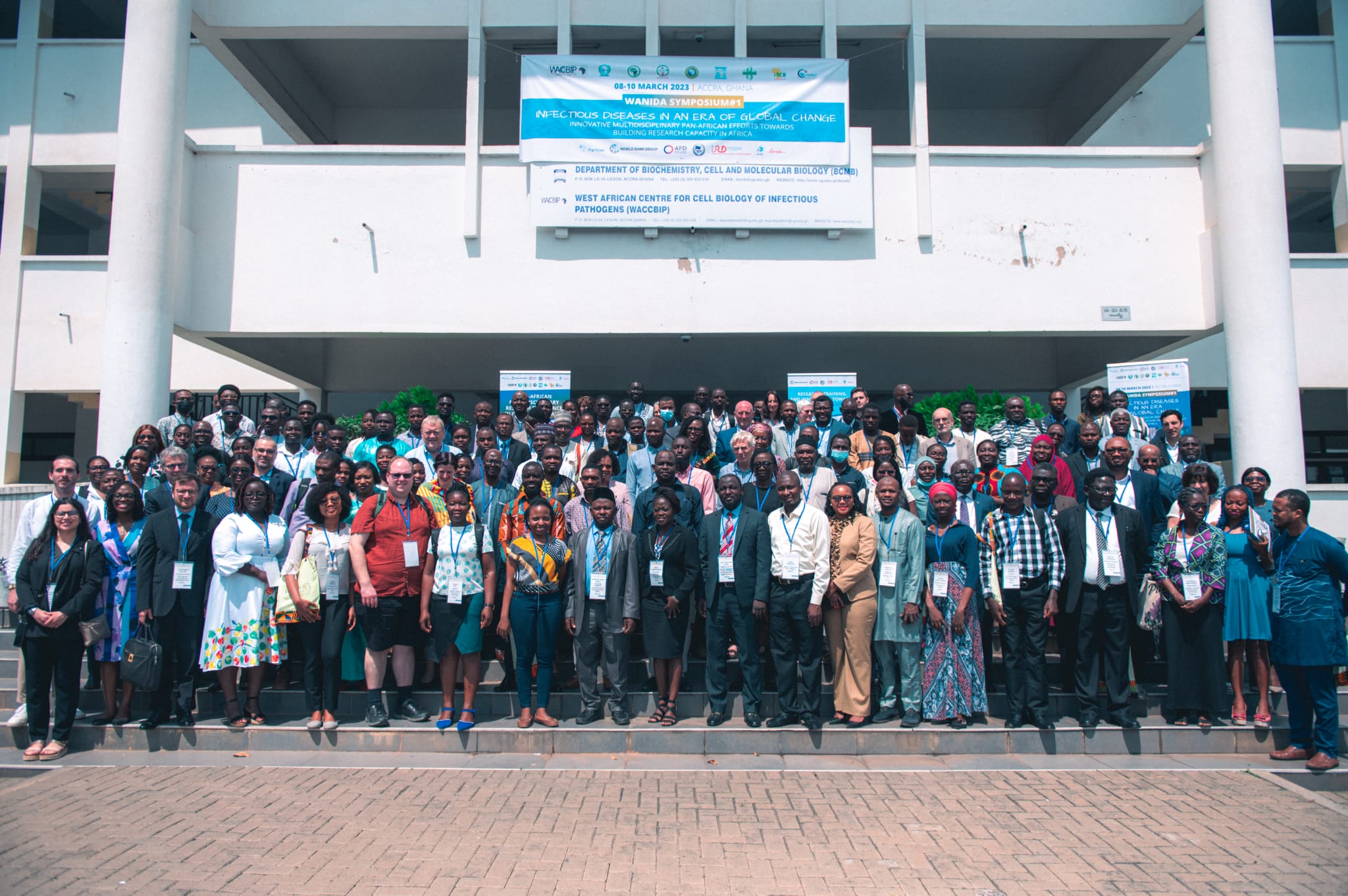
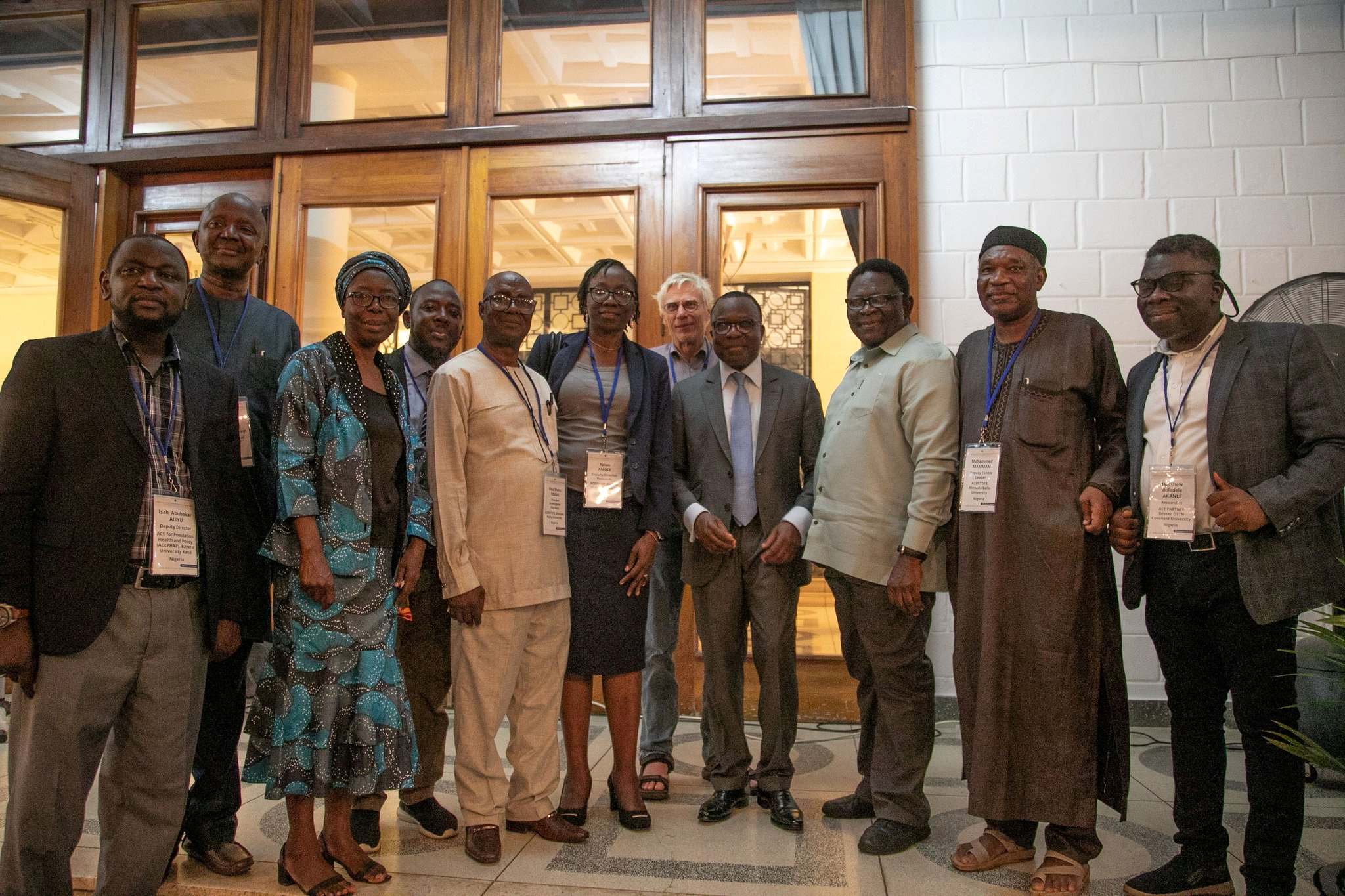


The WANIDA research network of excellence is organizing its first Hybrid Symposium from March 8 to 10, 2023 in Accra, Ghana on the theme: "INFECTIOUS DISEASES IN THE ERA OF GLOBAL CHANGE: INNOVATIVE MULTIDISCIPLINARY PANAFRICAN EFFORTS TO BUILD CAPACITY IN AFRICA".
As part of the WANIDA Symposium, 10 students from the WANIDA network will take part in the "My thesis in 3 minutes" competition. They will present their research topic in a short, original format that everyone can understand.
Join them online on Thursday, March 9, 2023, from 2:30 pm!
This event will be broadcast by Zoom. To connect, register at: https: //my.weezevent.com/wanidasymposium

This event will be broadcast by Zoom. To receive the connection link, please register via the following link: https: //my.weezevent.com/wanidasymposium2023
The WANIDA research network of excellence organized its first Hybrid Symposium from March 8 to 10, 2023 in Accra, Ghana on the theme: "INFECTIOUS DISEASES IN THE ERA OF GLOBAL CHANGE: INNOVATIVE MULTIDISCIPLINARY PANAFRICAN EFFORTS TO BUILD CAPACITY IN AFRICA".

THE PROGRAM :
8th march 2023
THE AFRICAN HEALTH CHALLENGES
WACCBIP - Conference Room
Main Entrance in front of St. Thomas Aquinas Catholic Church, Volta Road, Accra (within the University of Ghana, Legon Campus)
9h to 10h: Opening Ceremony
- Master of ceremony: Prof. Gordon AWANDARE FGA, ProVC ASA UG, Director WACCBIP
- Opening remarks: Prof. Gordon AWANDARE FGA, Pro Vice-Chancellor, Academic and Student Affairs (ASA), University of Ghana, Director WACCBIP, Chairperson WANIDA
- Chair person: Prof. Nana Aba AMFO Vice-Chancellor, University of Ghana
- Guest of Honour : Dr. Patrick KUMA-ABOAGYE, Director General, Ghana Health Service
- Guest of honor: Prof. Oyewole OLUSOLA, Association of African Universities (AAU)
- Stakeholders:
- Ekua BENTIL, Senior Education Specialist, World Bank (TBC)
- Jules Armand ANIAMBOSSOU, Ambassador of France in Ghana, represented by Florent ENGELMANN Jean Hugues DE FONT REAULX, Deputy director, Agence Française de Développement (AFD)
- Keynote speaker : Dr. Patrick DUFFY, Chief, Laboratory of Malaria Immunology and Vaccinology; Chief, Vaccine Development Unit; Chief, Pathogenesis and Immunity Section, National Institute of Health (NIH), Bethesda, MD
10 a.m.: Family picture and Poster Session
11h to 13h: Emerging Health Challenges and Building Surveillance systems within the One Health
Framework
Session Chair: Dr. Gloria AMEGATCHER
11h to 11h 20 / Plenary 1
Dr. Isah Abubakar ALIYU, Africa Center of Excellence for Population Health and Policy (ACEPHAP), Bayero University Kano, Nigeria
Tracking SARS-CoV-2 Infection in Nigeria to Guide Public Health Intervention
11h20 to 11h 40 / Plenary 2
Prof. Ousmane KOITA, Director, Laboratory of Applied Molecular Biology (LBMA), University of the Sciences, Techniques and Technologies of Bamako, Mali
Covid-19 pandemic: Surveillance and Monitoring of Population of SARS-CoV-2 in a network of diagnosis laboratories in Mali
11H40 to 12h /Plenary 3
Dr. Issa DIARRA, Laboratory of Applied Molecular Biology, Mali
Circulating Emerging Viruses: Zika, Chikungunya and O'nyong nyong virus seroprevalence study in Mali
Session Chair: Dr. Jacques KPODONOU
12h to 12h20 / Plenary 4
Dr. Firmin KRA, Socio-anthropologist, Robert Koch Institute, Unesco Chair in Bioethics/Université Alassane Ouattara, Ivory Coast
& Prof. Alice DESCLAUX, MD, PhD, Medical anthropologist, DR TransVIHMI (University of Montpellier, Institut national de la santé et de la recherche médicale (INSERM), Institut de Recherche pour le Développement (IRD))
How to get prepared for considering the social dimensions of pandemics? A training initiative
12h20 -13h / Round table 1
Emerging Health Challenges and Building Surveillance systems within the One Health Framework
Moderator: Jacques Kpodonu, MD, FACC, Cardiac surgeon Beth Israel Deaconess Medical Center, Assistant Professor Surgery Harvard Medical School
- Dr. Joseph Oliver COMMEY, Acting Director, Ghana Infectious Disease Centre (GIDC)
- Dr. Janeth George LAUREAN, Postdoctoral fellow, SACIDS Foundation for One Health-Sokoine University of Agriculture (SUA), Tanzania
- Dr. Benedicta Ayiedu MENSAH, Research Fellow / Quality Manager, Department of Epidemiology, Noguchi Memorial Institute for Medical Research, University of Ghana
- OnlineProf. Onikepe FOLARIN, Deputy Centre Leader, ACEGID, Redeemer's University, Nigeria; WANIDA partner
14h30 - 16h10 Strategies for vector-borne disease control and elimination
Session Chair: Dr. Peter QUASHIE
2:30 - 3:10 pm / Keynote speaker:
Dr. Claude OEUVRAY, Head of Global Health Development Program (Malaria), Merck, Germany
Insights on Merck Global Health integrated innovation and partnership strategy as a way to transfer decisioning to African stakeholders
& Delalih MANTEAU, Project Manager, Merck Global Health Institute Insights on Merck Global Health integrated innovation and partnership strategy as a way to transfer decisioning to African stakeholders
15h10 - 15h30 / Plenary 5Online
Dr. Claudia DEMARTA, Global Health Scientist, Merck, Germany
The value of P. falciparum field isolates for the prioritization of drug combinations to derisk malarial drug development: the case of Cabamiquine (M5717) - Pyronaridine
15h30 - 15h50 / Plenary 6Online
Dr. Fredy Brice SIMO NEMG, Postdoctoral fellow, Centre for Research in Infectious Disease, Department of Biochemistry, University of Yaoundé 1, Cameroon (TBC)
Clinical, Biochemical and virological study of the co-circulation of plasmodium, SARS-CoV-2, dengue and chikungunya in febrile patient's in two hospitals of Yaoundé VI
15h50 - 16h10 / Plenary 7
Dr. Etienne BILGO, Senior Postdoctoral Researcher, ARISE grantee, Wellcome Trust Fellow, Institut de Recherche en Sciences de la Santé (IRSS), CEA/ITECH-MTV, Burkina Faso
Wolbachia-conferred protection of African Ae. aegypti against the entomopathogenic fungus Metarhizium pingshaense
16h15 University of Ghana guided tour (optional)
20h WANIDA Symposium Gala Diner at the Fiesta Royale Hotel (on invitation)
9th march 2023
PAN AFRICAN RESPONSES TO HEALTH CRISES
FIESTA ROYALE HOTEL - CEDAR Conference Room
George Walker Bush Highway, North Dzorwulu, Accra, Ghana
9h to 12h30: Success Stories in response to past and emerging infectious diseases
Session Chair: Sylvie BOYER, Aix Marseille University/IRD
9h - 9h10
Prof. Nicaise NDAM, Research Director, IRD; Adjunct Professor, University of Ghana, Scientific advisor, WANIDA, IRD Regional Representative for Benin, Nigeria, Togo and Ghana
9h10 - 9h50 / Keynote SpeakerOnline
Dr Yaw BEDIAKO, CEO Yemaachi Biotechnology, Ghana
9h50 - 10h10 / Plenary 8
Dr. Peter Kojo QUASHIE, Deputy Director Research, WACCBIP, University of Ghana
The Silver Lining: The Evolution of SARS-CoV-2 Research at WACCBIP
10h10 - 10h30 / Plenary 9
Umar YUNUSA, RN, MSc, FWACN, Lecturer, Department of Nursing Sciences, Bayero University Kano, African Center of Excellence in Population Health and Policy (ACEPHAP), Bayero University Kano, Nigeria (TBC)
Effect of Mobile Phone Text Message and Call Reminders in the Completeness of Routine Childhood Immunization in Kano State, Nigeria
Coffee break and Poster Session
Session Chair: Peter Kojo QUASHIE
11h - 11h15 / Oral 1 Room 1
Kesego TAPELA, PhD student, West African Centre for Cell Biology of Infectious Pathogens (WACCBIP), Department of Biochemistry, Cell and Molecular Biology, University of Ghana (WANIDA fellow)
Deciphering the Cellular Immune Response to SARS-CoV-2 and link to Malaria exposure in Ghanaian COVID-19 patients
And in parallel
Oral 6 Room 2:
Idrissa DIENG, Institut Pasteur de Dakar
Placement of portable laboratory based on Recombinase Polymerase Amplification (RPA) in low income settings reveal the circulation of Dengue virus serotype 1 of Asian Origin in Senegal
11h15 - 11h30 / Oral 2 Room 1 Online
Francine Berlange SADO YOUSSEU, PhD student, Centre for Research in Infectious Diseases, Cameroon
Seroprevalence of Rift Valley fever virus in domestic ruminants in Cameroon
And in parallel
Oral 7 Room 2
Djèlili BIAOU, Phd Student, IRD Université de Paris Cité
Influence of schistosome hybrids in the modulation of the antibody response directed against Plasmodium falciparum vaccine candidate antigens.
11:30 - 11:45 / Oral 3 Room 1
Priya GODARA Online, PhD student, Central University of Rajasthan, India (TBC)
A rational approach for designing peptide-ligand conjugates-based immunotherapy against the complicated malaria
And in parallel
Oral 8 Room 2
Franklin Yengdem NUOKPEM, PhD student, West African Centre for Cell Biology of Infectious Pathogens (WACCBIP), Department of Biochemistry, Cell and Molecular Biology, University of Ghana
Sequence, structure, and antibody profile of the circumsporozoite protein from three Plasmodium species
Session Chair: Dr. Mariama Sadjo DIALLO
11h45 - 12h / Oral 4 Room 1
Umar SAIDU, Master's student, Ahmadu Bello University, Zaria, Nigeria
Cell-based screening of Merck KGaA's health care open global health library for identification of new drug candidate for the treatment of schistosomiasis
And in parallel
Oral 9 Room 2
Edem ADIKA, Master's student, WACCBIP, University of Ghana
Molecular Determinants of Plasmodium falciparum Antimalarial Drug Tolerance in Ghana
12h - 12h15 / Oral 5 Room 1 Online
Abdoulie O. TOURAY, PhD student, McGill University, Canada
Allosteric regulation of repressor-activator protein 1 by PI(3,4,5)P3 controls on and off switching of telomeric expression sites in trypanosomes
And in parallel
Oral 10 Room 2
Fatoumata SECK, PhD student, CEA/ITECH-MTV, Université Nazi Boni, (WANIDA fellow)
Genetic diversity of genes involved in the fertility and vector competency of the major malaria vectors from Sub-Saharan Africa
12:15 - 12:30 p.m.
Presentation IRCB / CERPAGE, Benin
And in parallel
Oral 11 Room 2
Gabriella ESSUMAN, Master's student, WACCBIP, University of Ghana
Antileishmanial Activities of Natural and Synthetic Compounds on Leishmania donovani
2:30 - 3:30 pm Three Minute Thesis Challenge
15h30 to 18h: Multi-actors dialogue for a Pan African response to Health crises
Session Chair: Prof. Amidou SAMIE
15h30 - 15h50 / Plenary 10
Dr. Sonou Dit Balla DIARRA, Ministry of Health, Mali Online
Is annual mass treatment against schistosomiasis and geohelminthiasis in Ségou, Mali justified? Proposals for alternative improvement strategies
15h50 - 16h10 / Plenary 11
Dr. Funmilola ADEFOLALU, Department of Biochemistry Federal University of Technology, Minna; ACEMFS Nigeria
Evaluation of culex mosquito susceptibility o organophosphate, organocarbamate and pyrethroid insecticides in Minna, Niger State
Session Chair: Dr. Mamadou DIALLO
Moderator : Hélène Kirchner, Scientific coordinator of the Digital Science and Technology Network, INRIA
16h30 - 17h10 / Round table 2: Innovative technologies in response to Africa's Health Challenges
- Dr. Adewoyin OGUNMOLASUYI, Postdoctoral fellow, Rhodes University, Grahamstown, South Africa
- Prof. Daouda MAMA, Director, National Water Institute Benin (Sustainable Water management network/NET-WATER)
- Online Dr. Mouhamadou Lamine BA, AI-based analytical framework for the prevention and the monitoring of cardio-vascular diseases in Africa-AI4CARDIO project, African Center of Excellence in Mathematics, Computers and ICT (CEA MITIC), Digital Science and Technology Network (DSTN), Senegal
- Eng. Mr Boladele Matthew AKANLE, Federated Genomics-FEDGEN Project, Covenant Applied Informatics and Communication Africa Centre of Excellence, (CApIC ACE), Digital Science and Technology Network (DSTN), Nigeria
- Dr. Gaoussou CAMARA, National Medical Information System for Senegal-SIMENS Project, African Center of Excellence in Mathematics, Computers and ICT (CEA MITIC), Digital Science and Technology Network (DSTN), Senegal
17h10 - 17h25 / Plenary 12 Online
Piyusha MAJUMDAR, Assistant Professor, IIHMR University, Jaipur, India
Multipronged Review to determine Implementation challenges and evolving malaria Control strategies in Tribal Areas in India: From Global Strategies to Local Innovation
And in parallel
Oral 14 Room 2
Fatoumata KASSE, PhD student, Malaria Research and Training Center, Mali (TBC)
Trends of Artemether-Lumefantrine treatment failure during routine consultation in Dangassa community health center, a Malian village with long seasonal malaria transmission
17h25 - 17h40 / Oral 12 Room 1
Aminu YUSUF, PhD student, ACENTDFB, Ahmadu Bello University
DNA Vaccine encoding Trypanosoma brucei Major Surface Protease-B induced IgG response and confers Partial Protection in Immunized BALB/c mice
And in parallel
Oral 15 Room 2
Rejoice EKLI, PhD student, ACEMFS, Federal University of Technology Minna, Nigeria, WANIDA fellow Amoxicillin resistant Salmonella enterica isolates from ready-to-eat (RTE) meats and their environments in Accra, Ghana
17h40 - 17h55 / Oral 13 Room 1
Achaz-Achim Mawugnon AGOLINOU, PhD student, CEA/ITECH-MTV, IRSS, Université Nazi Boni, Burkina Faso
Design in silico of molecular model to study the SIFamide gene function in Anopheles gambiae olfactory system, in a perspective of genetic control of the vector
And in parallel
Oral 16 Room 2
Peter Yunenui MAHBOU, PhD student, ACENTDFB, Ahmadu Bello University, Zaria, Nigeria (WANIDA fellow) Seroprevalence of Dengue Virus and Co-infection with Malaria and Typhoid in Pyretic Patients in Some Hospitals in Cameroon
10th march 2023
AFRICAN RESEARCH NETWORKS OF EXCELLENCE:
ADDRESSING THE HEALTH CHALLENGES IN AFRICA
FIESTA ROYALE HOTEL - CEDAR Conference Room
George Walker Bush Highway, North Dzorwulu, Accra
9h - 13h15: Innovation to promote African research and valorization of research
Session Chair: Prof. Nicaise NDAM
9h - 9h40 Keynote speaker
Prof. Jean LANGHORNE, Principal Group Leader, The Francis Crick Institute, Director, Crick African Network
The Crick Africa Network: supporting the next generation of African science leaders
9h40 - 9h50 / Presentation PASTEUR Network by Prof. Yap BOUM II, Executive Director, Institut Pasteur de Bangui, Central African Republic
9.50am - 10am / Presentation of Global Africa by Prof. Mame Penda BA, Chief editor
10 a.m. - 10:15 a.m. / Presentation CERMES, Niger by Dr. Ronan JAMBOU, Director Centre de Recherches Médicales et Sanitaires (CERMES), Niger
10:15 a.m. - 11 a.m. / Networking & Poster session in room KUSIA
Session Chair: Dr. Isah Abubakar ALIYU
11h - 11h15 / Oral 17 Room 1 Online
Moctar CHAIBOU, Researcher, Organic Synthesis And Natural Products Laboratory (LASNASO), Faculty of Science and Technology, Abdou Moumouni University, Niger
Anthelminthic evaluation and phytochemical exploration of chrozophora brocchiana (Euphorbiaceae), plant used as antiparasitic in Niger, based on molecular networking enhanced (MolNetEnhancer) guided dereplication
And in parallel
Oral 22 Room 2
Christine MOORE, PhD student, West African Centre for Cell Biology of Infectious Pathogens (WACCBIP), Department of Biochemistry, Cell and Molecular Biology, University of Ghana
Antileishmanial effects and mode of action of phenolic compounds and Glucantime combinations on Leishmania donovani
11h15 - 11h30 / Plenary 13
Prof. Amidou SAMIE, Associate Professor, Department of Microbiology, University of Venda, South Africa
Interleukin 10 (IL-10) Production, and Seroprevalence of Entamoeba histolytica infection among HIV-infected patients in South Africa
And in parallel
Oral 23 Room 2
John SANDI, PhD student, West African Centre for Cell Biology of Infectious Pathogens (WACCBIP), Department of Biochemistry, Cell and Molecular Biology, University of Ghana, (WANIDA fellow)
Evidence of robust antiviral response in the upper respiratory interface of SARS-CoV-2 infected Ghanaians
11:30 - 11:45 / Oral 18 Room 1
Dr. Firmin KRA, Socio-anthropologist, Robert Koch Institute, Unesco Chair in Bioethics/Université Alassane Ouattara, Ivory Coast
From preparedness to response: a socio-anthropological contribution from a study of funeral rites in Côte d'Ivoire
And in parallel
Oral 24 Room 2
Agossi Edwige KPODO, Master's student, CEA-ITECH-MTV, Université Nazi Boni, (WANIDA fellow)
Molecular epidemiology of dengue viruses around endemic foci in the city of Bobo-Dioulasso, western Burkina-Faso
Session Chair: Prof. Iliya Shehu NDAMS
11h45 - 12h / Oral 19 Room 1
Dr. Aliyu EVUTI HARUNA, PhD student, Africa Center of Excellence for Mycotoxin and Food Safety (ACEMFS), Federal University of Technology, Minna, Nigeria
Sero-prevalance and assessment of knowledge attitude and practices of camel handlers regarding brucellosis and consumption of camel milk and urine in east senetorial district of yobe state, Nigeria
And in parallel
Oral 25 Room 2
Youssouf DIARRA, PhD student, Laboratory of Applied Molecular Biology, University of Sciences, Techniques and Technologies of Bamako, Mali
Malaria Pre-elimination Stage: Use of the Universal Coverage with Long-Lasting Insecticidal Nets, Active Case Detection and Free Treatment of Uncomplicated Malaria with Artemisinin Combination Therapies.
12h15 - 12h30 / Oral 20 Room 1 Online
Léadisaelle Hosanna LENGUIYA, PhD student, Université Marien Ngouabi, Republic of Congo
SARS-CoV-2 infection in pets from COVID-19 positive households in Brazzaville, Republic of Congo
And in parallel
Oral 27 Room 2
Youssouf MFOPIT MOULIOM, PhD student, ACENTDFB, Ahmadu Bello University, Zaria, Nigeria (WANIDA fellow)
Characterisation of bacteria with potential sialidase activity from midgut of tsetse flies
12:30 - 12:45 pm/ Oral 21 Room 1
Dr. Ibrahim KARIDIO DIORI, Head of the Platform of Immunology, and Haematology, Centre de Recherche Medical et Sanitaire (CERMES), ARISE Grantee, Niger
Prebiotics: valuable means for a proper prevention, management of malnutrition and communicable diseases in infants/ children
14h to15h20: Insights into Capacity building and resources sharing
Session Chair: Maissa MBAYE
14h00 - 14h20 / Plenary 14
David BAUER, The Francis Crick Institute
Platforms for "Real-Time" Virology & Immunity: Lessons from COVID-19 from West London, West Africa, and Beyond
14h20 - 14h40 / Plenary 15
Florence KOMURIAN - PRADEL, PhD, Head of GABRIEL international research Network, Fondation Mérieux
GABRIEL, an international scientific network serving capacity building in research & surveillance on infectious diseases
14h40 - 15h20 / Roundtable 3: Scientific Networks: Experience Gained and Lessons Learned
Moderator: Maissa Mbaye, Director, ACE MITIC, Gaston Berger University, Senegal
- Dr. Mariama DIALLO, Deputy Director, CEA-PCMT, Université Gamal Abdel Nasser de Conakry, Guinea, WANIDA partner
- Dr. Florence KOMURIAN - PRADEL, Head of GABRIEL international research Network, Fondation Mérieux
- Prof. Jean LANGHORNE, Principal Group Leader, The Francis Crick Institute; Director, Crick African Network (CAN)
- Prof. Yap Boum II, Executive Director, Institut Pasteur de Bangui, PASTEUR Network.
Closing ceremony
15h20 - 15h50 / Award ceremony for " My 3 minutes Thesis " Challenge & Poster & Oral presentations
3.50pm - 4pm / Closing remarks: Prof. Gordon AWANDARE FGA, ProVC ASA UG, Director WACCBIP
This event will be translated into French and English.
This event will be broadcast by Zoom. To receive the connection link, please register via the following link: https: //my.weezevent.com/wanidasymposium2

Call: CLOSED
NEW Submission deadline: January 4, 2023
Contact for information requests: wanida.symposium@gmail.com
WANIDA is organizing its first Hybrid Symposium from March 8 to 10, 2023 in Accra, Ghana on the theme: "INFECTIOUS DISEASES IN THE ERA OF GLOBAL CHANGE: INNOVATIVE MULTIDISCIPLINARY PANAFRICAN EFFORTS TO BUILD CAPACITY IN AFRICA".
Would you like to make a presentation at the Symposium?
Submit your abstract, for oral or poster presentation, in the following 5 thematic areas:
- Monitoring and preparing for new pandemics
- Pathogenic basis of diseases and host responses
- Innovative disease prevention strategies and vaccinology
- Neglected tropical diseases
- Malaria control and elimination strategies
Interested parties should submit an abstract of at least 300 words (not exceeding 350 words) in English or French, together with a short biography (100 words) and a photo.
The presentation should be structured as follows:
- Title
- Background
- Methods
- Results
- Significance
- Presenter
Please note:
- Submission of an abstract implies your consent to its publication in the Symposium proceedings.
- All submitted abstracts will be reviewed and assigned to the appropriate session (oral / poster).
- All authors of accepted abstracts are required to participate in the Symposium (online or in person).
NEW Submission deadline: January 4, 2023!
For further information, please contact: wanida.symposium@gmail.com

The Institut de Recherche Clinique du Bénin - IRCB and the Centre d'Etude et de Recherche sur les Pathologies Associées à la grossesse et à l'Enfance - CERPAGE join the West African WANIDA network of African Centers of Excellence in infectious diseases.
In order to develop West African partnerships for excellence in infectious disease research, the WANIDA network has welcomed two new members: IRCB and LMC CERPAGE. These new collaborations are part of the continuity and development of the network at regional level, and strengthen the members' multidisciplinary research and innovation capacities to meet the challenges of public health in West Africa.
The multi-disciplinary nature of the teams means that they can work in a number of fields: Covid-19, HIV, malaria, tuberculosis, Ebola, mycobacterial infections, neglected tropical diseases, food-borne pathogens, as well as studies on non-malarial febrile diseases.
The WANIDA network now has 9 members, in 5 English- and French-speaking countries: Ghana, Nigeria, Guinea, Burkina Faso and Benin.
- West Africa Centre for Cell Biology of Infectious Pathogens (WACCBIP), University of Ghana, Accra, Ghana (coordinating center)
- Africa Centre of Excellence for Genomics of Infectious Diseases (ACEGID), Redeemer's University, Ede, Nigeria
- Africa Centre of Excellence for Mycotoxin and Food Safety (ACEMFS), Federal University of Technology, Minna, Nigeria
- Africa Centre of Excellence for Neglected Tropical Diseases and Forensic Biology (ACENTDFB), Ahmadu Bello University, Zaria, Nigeria
- Africa Centre of Excellence for Population Health and Policy (ACEPHAP), Bayero University, Kano, Nigeria
- Center d'Excellence Africain en Innovations Biotechnologiques pour l'Élimination des Maladies à Transmission Vectorielle (CEA-ITECH-MTV), Université Nazi Boni, Bobo-Dioulasso, Burkina Faso
- African Center of Excellence - Prevention and Control of Transmissible Diseases (CEA-PCMT), Gamal Abdel Nasser University, Conakry, Guinea
- Clinical Research Institute of Benin (IRCB), Abomey Calavi, Benin
- Laboratoire Mixte Commun LMC CERPAGE Centre d'étude et de recherche sur les pathologies associées à la grossesse et à l'enfance, Abomey Calavi, Benin
ZOOM on the LMC Joint Laboratory CERPAGE Center for study and research on pathologies associated with pregnancy and childhood
Created in 2019, CERPAGE is a Joint Laboratory, supported by the Faculty of Sciences and Health of the University of Abomey Calavi (FSS/UAC), by the Clinical Research Institute of Benin (IRCB), by the Center for Integrated Malaria Control (CLIP), and the MERIT UMR of the Institute of Research for Development (IRD).
This research and training partnership aims to strengthen their expertise in the study of malaria in pregnant women and children, but also to develop work on infections and new themes on non-communicable diseases of the epidemiological transition, in order to improve knowledge enabling the management and prevention of diseases of the mother and young child within the framework of public health policy and strategies in intertropical zones.
Focus on the Clinical Research Institute of Benin, the IRCB
Founded in 2016 by the IRD, Inserm and the Beninese Ministry of Research and Higher Education and Ministry of Health, the IRCB is a platform dedicated to clinical research, in priority health themes such as malaria, tropical and emerging diseases as well as non-communicable diseases. The IRCB aims to contribute to the establishment of a medical research structure of excellence in French-speaking Africa, and to develop partnerships for multicenter trials, making its resources and expertise available to external researchers and institutions.
The Institute is home to the first vaccine trials against gestational malaria. Several large-scale programs are underway, including the Deworm 3 project (multicenter cluster trials on helminthic infections - https://depts.washington.edu/deworm3/), and an EDCTP-funded therapeutic trial on the treatment of malaria with artemisinin-based triple therapy (ASAAP project - https://asaap-malaria.org/).

Contacts:
- WANIDA network coordinator: Olivia Koupaki olivia.koupaki@ird.fr
- CERPAGE contacts: André Garcia andre.garcia@ird.fr and Aurore Hounto aurorefel@yahoo.fr .
- Contact IRCB: Achille Massougbodji massougbodjiachille@yahoo.fr

©IRD - Rita Saudegbee 

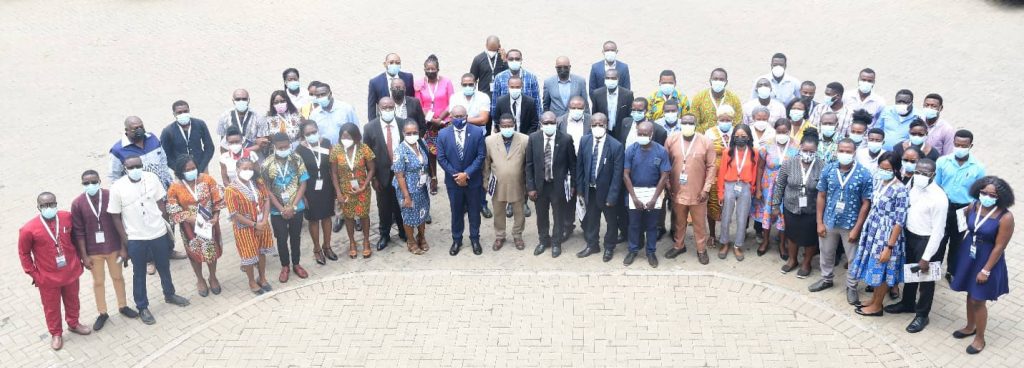
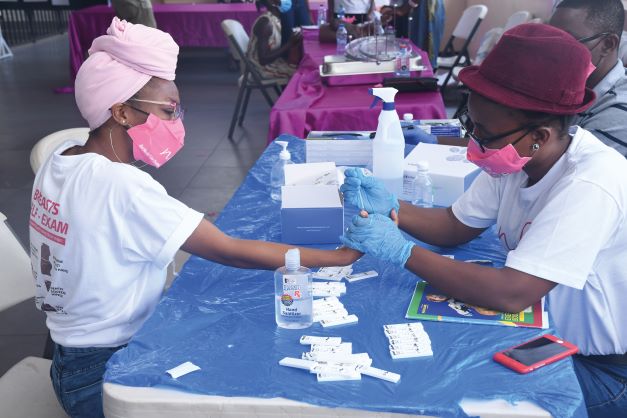
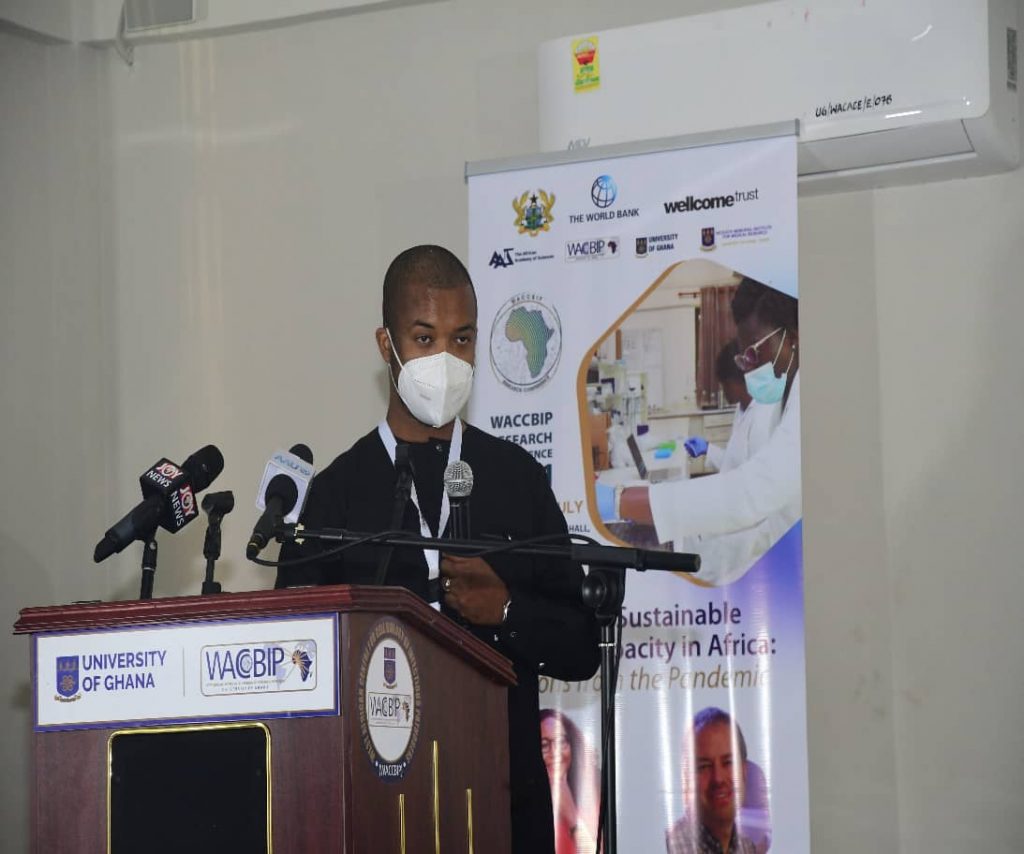
The West African Centre for Cell Biology of Infectious Pathogens (WACCBIP) held its fifth annual research conference in the conference room at the WACCBIP at the University of Ghana. The theme of the conference, held from July 21 to 23, 2021, was "Building sustainable research capacity in Africa: lessons from the pandemic".
This year's conference provided a valuable opportunity for young researchers trained at the Centre to network with world-renowned research scientists and industry professionals. Young researchers had the opportunity to showcase their expertise in new knowledge and new applications of technology to better inform public health stakeholders as well as drive the development of new disease diagnostic tools, drugs and vaccines, particularly in the context of the COVID-19 pandemic.
Global research leaders, including Professor Francisca Mutapi, Co-Director of the Global Health Academy and Deputy Director of the Tackling Infections to Benefit Africa (TIBA) partnership, University of Edinburgh; Professor Julian Rayner, Director of the Cambridge Institute for Medical Research, University of Cambridge; and Professor Christian Happi, Director of the African Center of Excellence for Infectious Disease Genomics (ACEGID), Redeemers University and WANIDA partner, delivered keynote speeches to over 350 in-person and virtual participants.
Also present at the event were high-level local and international dignitaries from academia and the political environment, including Professor Felix Asante, Vice-Chancellor for Research, Innovation and Development, University of Ghana; Professor, Abraham Kwabena Anang, Director of the Noguchi Memorial Institute for Medical Research (NMIMR), University of Ghana; Professor Eric Danquah, Director of the West African Centre for Crop Improvement (WACCI), University of Ghana and Professor Gordon Awandare, Director of WACCBIP. Others include Professor Tom Kariuki, Director of Programs at the African Academy of Sciences (AAS); Professor Emeritus Samuel Sefa-Dedeh, President of the Ghana Academy of Arts and Sciences (GAAS); Ms Himdat Bayusuf, Team Leader of the African Centers of Excellence in Higher Education (ACE) project; Dr Ahmed Jinapor, Deputy Director General of the Ghana Commission for Higher Education (GTEC); and Dr Anthony Nsiah Asare, Presidential Advisor on Health; all of whom made their remarks.
Professor Felix Asante, Pro-Vice-Chancellor for Research, Innovation and Development at the University of Ghana, who also chaired the opening session, highlighted the fact that the COVID-19 pandemic has put the spotlight on WACCBIP at both university and national development levels. He stressed that it was important for WACCBIP to be applauded for playing a central role during the most difficult times in the national response to containment measures and the fight against the pandemic. He added that WACCBIP's response to COVID-19 was a perfect demonstration of the Center's contribution to making the University of Ghana a world-class university.
"WACCBIP research is important for the current COVID-19 pandemic in Ghana. This research has provided key information on the current COVID-19 pandemic in Ghana, a more informed public health intervention including infection control measures and vaccine registries. With this achievement, WACCBIP has helped the University to acquire a strong research intensity."
He then encouraged the Center to share its history and successes with other University centers of excellence.
Officially opening the conference, Dr Anthony Nsiah-Asare, Presidential Advisor on Health, acknowledged the importance of WACCBIP's research in the fight against COVID-19. He expressed his satisfaction with the level of research conducted at WACCBIP, which he said was focused on specific local needs and provided key information on the current COVID-19 pandemic in Ghana, with a better-informed public health response and intervention strategy.
"I'm very happy to be invited this morning, especially at a time when the whole country is fighting against COVID-19. Thanks to WACCBIP, Ghana has been able to identify the different variants that have entered the country." He went on to say that "the President has formed a committee to ensure that Ghana becomes a vaccine producing country. We hope that with the private sector, we can do this as quickly as possible to enable the country to emerge from this pandemic. Covid-19 taught us a lesson, and what we've learned from it is that we need to be a self-sufficient country."
Dr Nsiah Asare was optimistic that Africa is capable of manufacturing most of its own vaccines, and that researchers can achieve this with the necessary support.
"We want to make sure of what the African Union has said, which is that by 2040 we should be able to manufacture around 40% of all our vaccines. We firmly believe that we have the men, the women and the researchers and that we can achieve this."
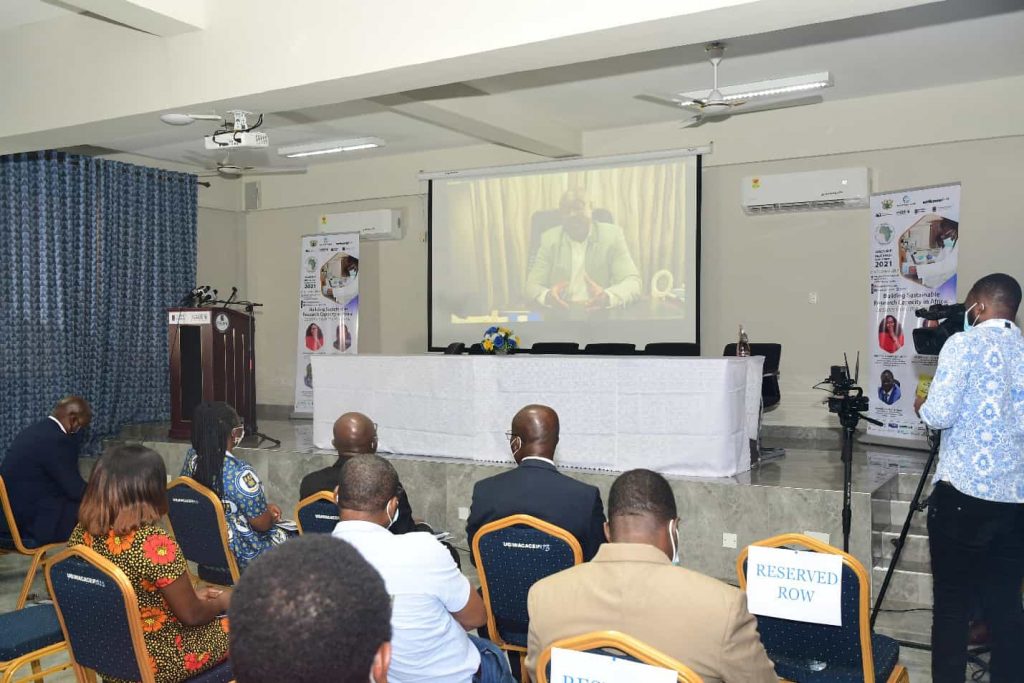
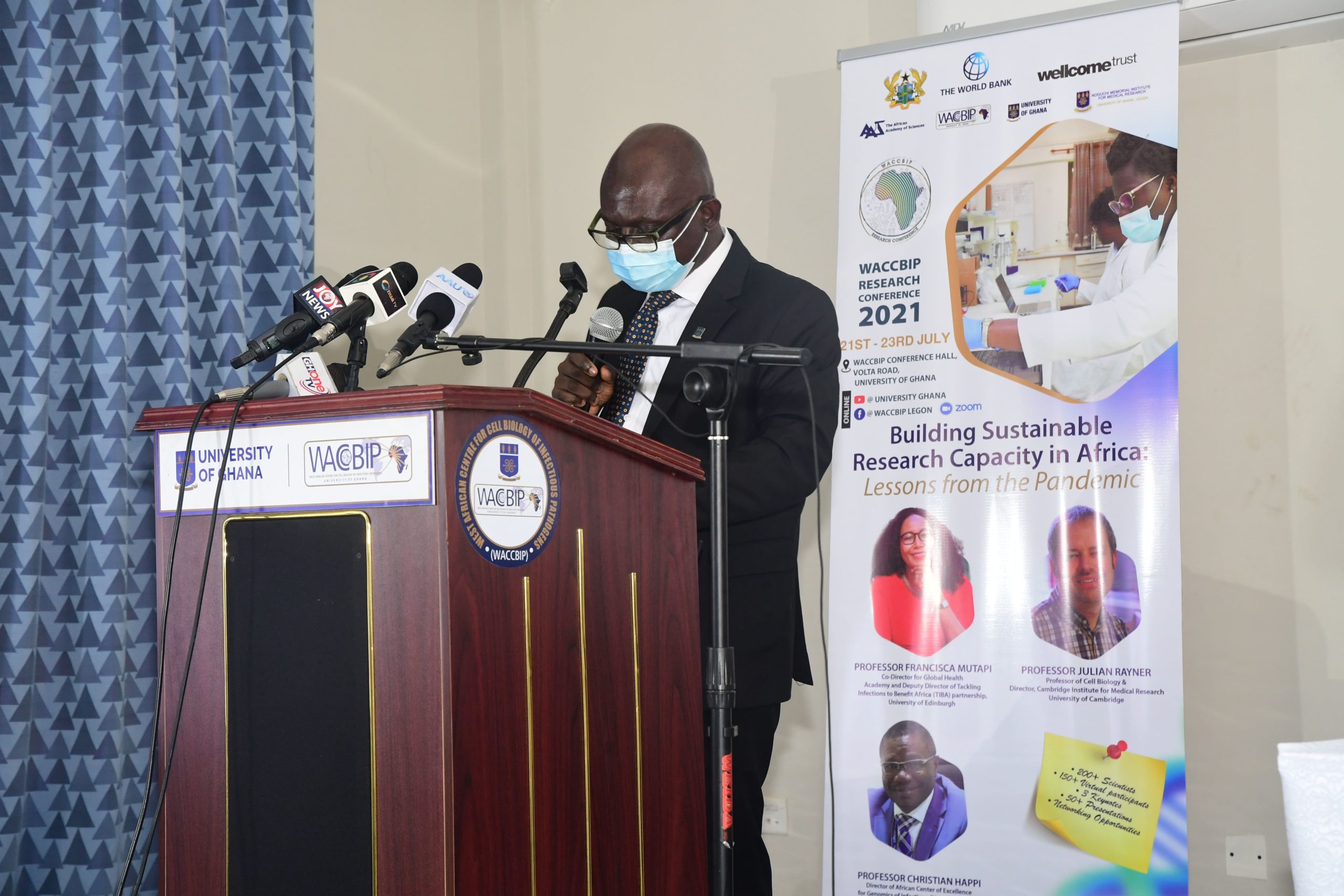
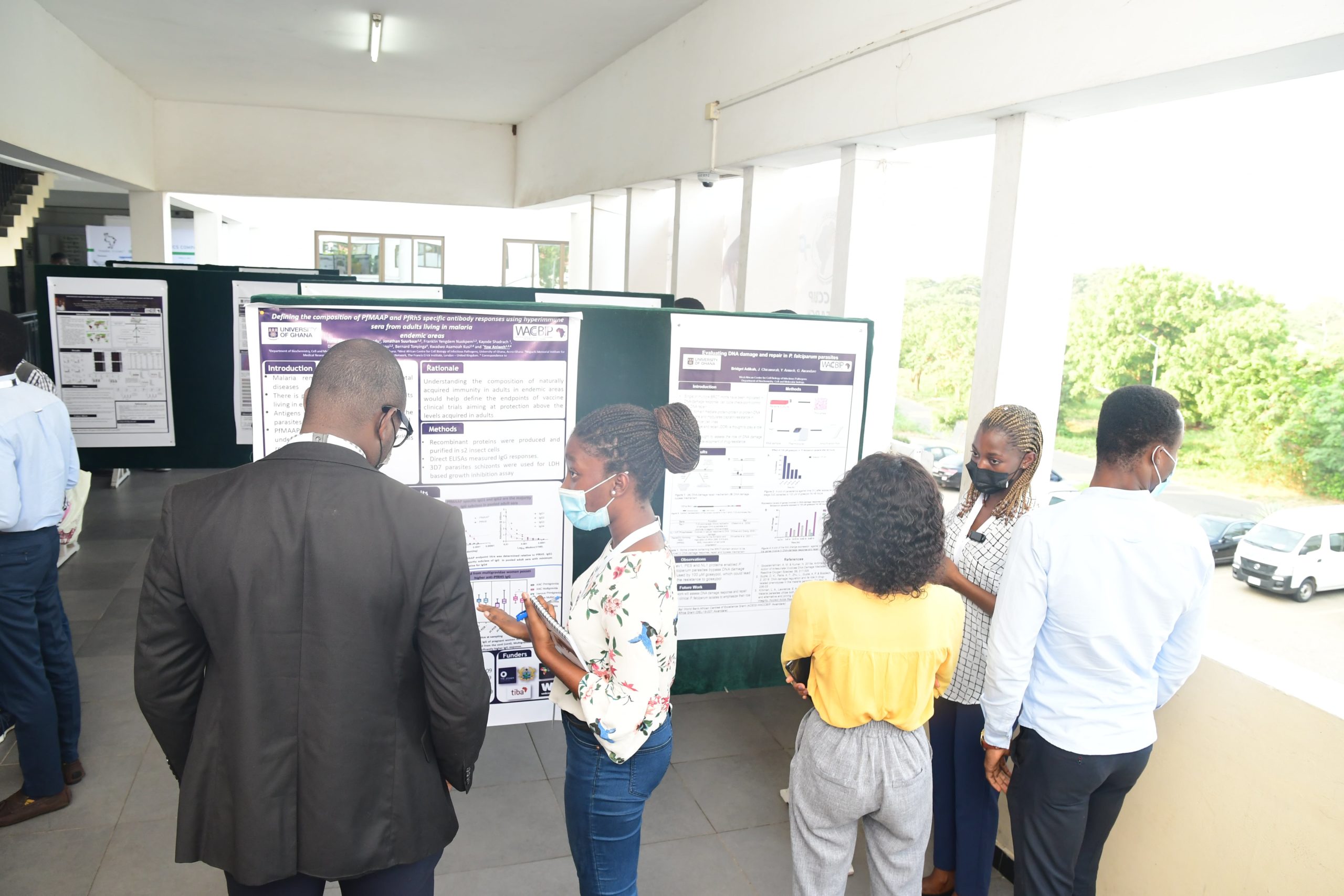
Senior researchers as well as doctoral and master's students from the Center took turns presenting their current research work to a global audience. Dr Peter Quashie, immunologist and senior researcher at WACCBIP spoke about his work on COVID-19. Speaking on the topic "A chronology of COVID-19 in Ghana: what the science tells us", he shared some important findings from WACCBIP's COVID-19 data collection process as part of the seroprevalence study, which aims to estimate, using serological analysis, distribution patterns and changes over time since the onset of the pandemic in the Ghanaian population. He explained that the process was necessary to track the community spread of the virus and trace infections across the country.
Other speakers and students presented cutting-edge research on topics in a wide range of biomedical science fields, including cell biology, drug resistance and discovery, vaccine discovery and development, human genetics and public engagement. Collaborators from top universities led plenary sessions and presented research data on diseases such as COVID-19. Visiting scientists and WACCBIP fellows presented their research findings on infectious and non-communicable diseases, including malaria, Buruli ulcer, tuberculosis, HIV/AIDS, cancers, sickle cell disease, hypertension, diabetes and SARS-CoV-2.
This year's conference was supported by a number of sponsors, including Inqaba Biotec West Africa Limited, Carramore International Limited, MES Equipment Limited, Agilent Technologies, DCL, MDS-Lancet, Bany Laboratories and Supplies, Arcoa Ghana, Cleanearth Scientific, YEMAACHI Biotechnology, YEBED, Satguru Travels, Resolve Systems Limited, Lab Companion and Special Ice.
Conference participants were impressed by the level of organization and the quality of the presentations. Mr. Jonathan Suubar, WACCBIP Master's Fellow, who also won the Best Oral Presentation Award (Masters category) at the conference, was exhilarated by the quality of the research presented and the flexibility to attend a conference during a pandemic.
"It's not only unique, but it offered us the opportunity to participate with some flexibility. Although many of us participated in person, we have the option of listening to the lectures again if we missed something. Everything is available on Facebook or YouTube. This made the conference unique," said Suubar.
"Looking at the various presentations we've had, we've had so many students presenting so many research projects, from viruses to bacteria, from parasites to public commitments. This is only the fifth conference, and by the time we get to the tenth, I'm sure we'll have some groundbreaking discoveries by researchers in Africa. The future of the WACCBIP conference looks bright."
Call status : Closed
The West African Network of Centers of Excellence (WANIDA) on infectious diseases aims to strengthen collaboration between health research institutions in West Africa.
The WANIDA network is financed by the World Bank, the Agence Française de Développement (AFD) and the Institut de Recherche pour le Développement (IRD), as part of the Ace Impact andACE Partner projects. It aims to strengthen training and research collaborations between the AECs, and thus ensure the sustainability of the networks in order to position them as leaders and contribute to the development of West Africa.
WANIDA network partners :
- West African Centre for Cell Biology of Infectious (WACCBIP), University of Ghana, Ghana, network coordinating center;
- African Centre of Excellence for Mycotoxin and Food Safety (ACEMFS), Federal University of Technology, Minna, Nigeria;
- African Centre of Excellence for Genomics of Infectious Diseases (ACEGID), Redeemer's University, Ede, Nigeria;
- African Centre of Excellence for Neglected Tropical Diseases and Forensic Biology (ACENTDFB), Ahmadu Bello University, Zaria, Nigeria;
- African Centre of Excellence for Population Health and Policy (ACEPHAP), Bayero University, Kano, Nigeria;
- Center d'Excellence Africain en Innovations Biotechnologiques pour l'Élimination des Maladies à Transmission Vectorielle (ITECH-MTV), Université Nazi Boni, Burkina Faso;
- Center d'Excellence Africain - Prévention et Contrôle des Maladies Transmissibles (CEA-PCMT) Université Gamal Abdel Nasser, Conakry, Guinea.
The WANIDA network promotes capacity building in research and training at graduate and post-graduate levels. It encourages African research teams to work in a collaborative environment, enabling them to network and create partnerships with other researchers and players at different socio-economic levels (emerging centers, university faculties in the region, research organizations, private sector, NGOs, etc.).
WANIDA is offering partial master's and doctoral scholarships to students enrolled in the 2020/2021 academic year. Fellows will have access to the resources of the WANIDA network.
Eligibility criteria
To apply for this scholarship, you must :
1. Be an African national admitted as a regional student (i.e. abroad) to a master's or doctoral program taking place during the 2020/2021 academic year at one of WANIDA's partner institutions.
2. Develop a research project on one of the priority topics in infectious diseases with a thesis supervisor affiliated with one of WANIDA's partner institutions. (You also have the option of having a co-director at another WANIDA partner institution).
Priority topics
- Covid-19
- HIV
- Malaria
- Tuberculosis
- Ebola
- Mycobacterial infections
- Neglected tropical diseases
- Food-borne pathogens
Commitments
- Master's scholarship holders must :
- Carry out an excellent research project leading to at least one scientific publication
- Present the research project at WANIDA workshops and conferences
- Obtain a Master's degree at the university where the scholarship was awarded
- Doctoral fellows must :
- An excellent research project with at least two scientific publications
- Present the research project at WANIDA scientific meetings and conferences
- Contribute to the training of undergraduate students
- Obtain a doctorate at the university where the scholarship was awarded
Financing the scholarship
The duration of funding will be 2 years for the Master's level and 4 years for the PhD level. Fellows will receive a partial scholarship to cover..:
- tuition fees
- research costs
- an allowance
Applications will be received by e-mail only
The complete file must be sent in electronic format only, by e-mail to the following address: wanida.applications@gmail.com
The file must be in a single PDF format with all the constituent documents in a single document. The file will be named "WANIDA 2020 Scholarship_YourFirstName".
The deadline for submitting applications is December 05, 2020. Incomplete applications or applications received after the deadline will not be considered.
Required documents
1. Completed form
2. Description of the research project, including plans for partnership(s) with other AECs, budget and timetable for research activities (2 pages maximum).
3. Candidate's cover letter (1 page maximum)
4. Approval of thesis supervisor and CEA lead center
5. Curriculum Vitae (2 pages maximum)
6. Letter of admission from the university to the master's or doctoral program
7. Official transcript of most recent diploma
Selection
Completed applications will be evaluated by the WANIDA selection committee. Successful applicants will be contacted by e-mail.
Calendar
| November 05, 2020 | Call for entries |
| December 05, 2020 | Deadline for submission of complete application |
| December 2020 | Sorting of files, evaluation of files by the selection committee and posting of results |